


Ever wondered how your doctor can peek inside your body without surgery? A CT scan makes that possible. It takes many X-ray images from different angles to create clear, detailed cross-sectional pictures of your body. This helps doctors spot issues like tumors so they can plan the right treatment. In this article, we explain how CT works and why it is a useful tool in today’s medicine.
what does CT stand for in medicine: Clarity
CT stands for Computed Tomography. This scan uses a narrow X-ray beam combined with a computer to make detailed cross-sectional pictures of the body. The machine moves around the patient, taking images from different angles as it measures how various tissues absorb the X-rays. Think of it like peeling an onion, each slice shows another layer of organs, bones, blood vessels, or soft tissues.
A computer then brings these individual slices together to create a complete three-dimensional image. This clear view of the inside helps doctors find issues like tumors by showing their size, shape, and exact location. CT scans are an important tool in diagnosing many conditions and often lead to more focused tests later on.
How Computed Tomography (CT) Imaging Works
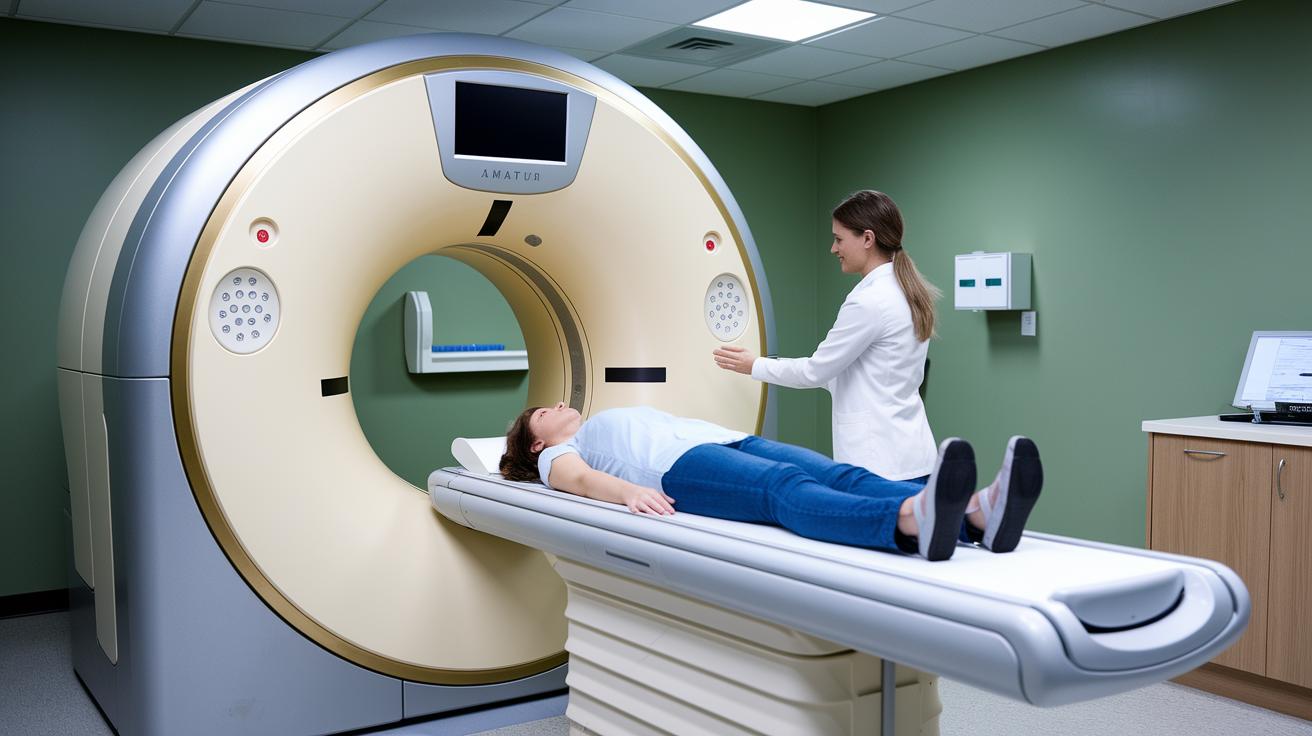
A CT scan gives doctors a clear look inside your body without surgery. It starts with you lying on a table that slides into a large, round machine. A radiology technician makes sure you are set up comfortably before the scan begins.
During the test, the machine slowly turns around you. It takes many X-ray pictures from different angles. Each picture shows how much the X-rays are blocked by the tissues inside your body.
A computer then examines these pictures to see how different tissues absorb the X-rays. In other words, it measures how much each type of tissue stops the X-ray beam. The computer puts all the pictures together, much like assembling a puzzle, to create clear cross-sectional images of your body.
You might be asked to hold your breath for a few seconds during the scan. This keeps you still so that the pictures come out sharp. In some cases, a contrast dye is injected into your vein to make blood vessels, organs, and other structures stand out even more.
This careful process of preparation, image-taking, and computer reconstruction helps doctors find and diagnose many conditions accurately.
Key Clinical Applications of CT in Medicine
CT scans play a vital role in how doctors find and treat health problems. They show the size, shape, and location of unusual masses and can even help guide a biopsy to check if a mass is cancerous. For example, if a lung nodule seems suspicious, a CT-guided biopsy might be used to confirm a diagnosis.
CT is also key in checking blood vessels. It can spot signs of a stroke, problems in the arteries of the arms or legs, and blockages in the carotid arteries. In emergencies, doctors often use CT to quickly assess what’s happening inside the body.
Another important use of CT is abdominal imaging. These scans can detect kidney stones, tumors, bowel blockages, infections, and inflammatory diseases like Crohn’s disease and ulcerative colitis. Surgeons rely on CT images to pinpoint exactly where tumors are located, which helps them plan treatments that require smaller incisions.
CT scans are useful for examining small bones in the hands, feet, and spine. They also measure bone density, which helps in tracking conditions like osteoporosis. When it comes to head injuries, CT images can reveal bleeding, clots, infections, and fractures, giving a detailed view of brain trauma. This helps trauma teams decide the best course of action after accidents.
During surgeries and treatments, CT scans guide procedures such as radiation therapy and chemotherapy. This ensures that the treatment is delivered accurately to the affected areas.
Comparing CT to Other Medical Imaging Modalities
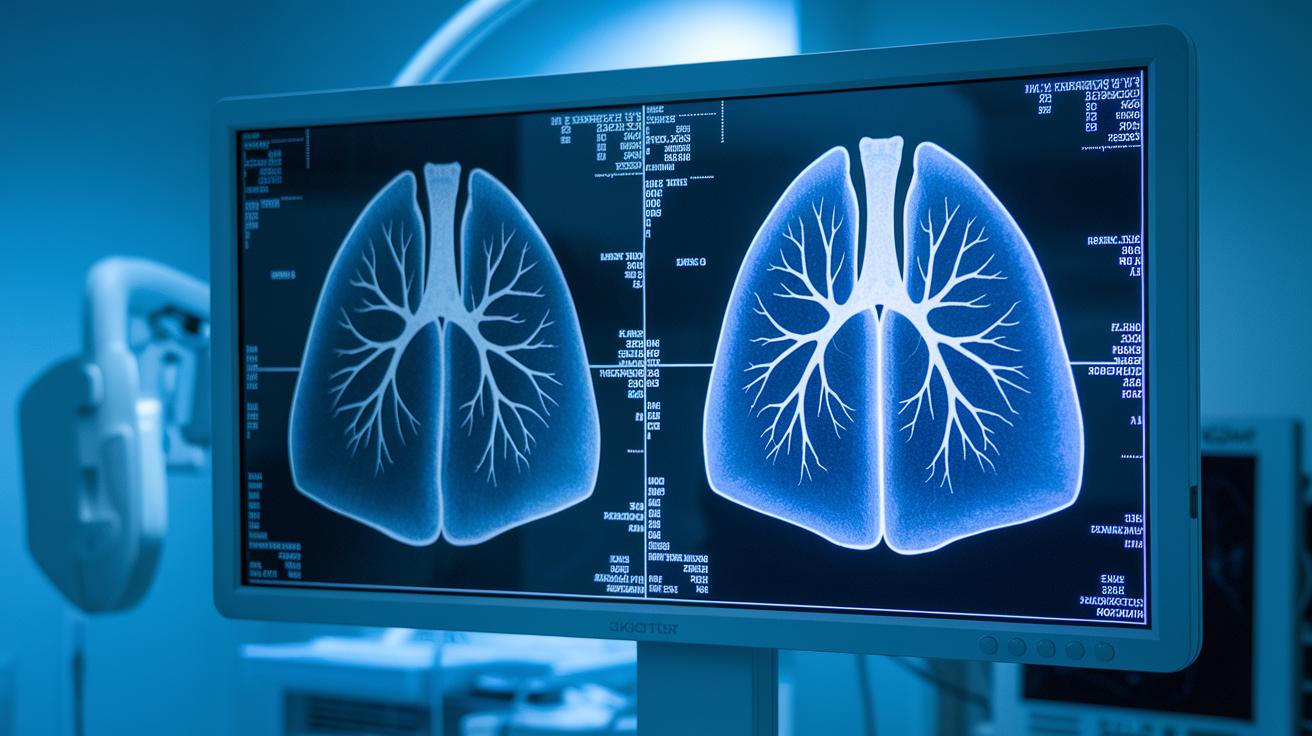
CT scans use X-rays to create detailed, slice-by-slice pictures of the body. They are very good at showing bones, lungs, and injuries in emergencies. Unlike CT, MRI uses magnetic fields and radio waves instead of radiation. This makes MRI a safer choice for many, especially when examining soft tissues like the brain, muscles, or joints. However, MRI takes longer and isn’t recommended for people with metal implants.
Ultrasound works by sending high-frequency sound waves into the body. It’s portable and safe because it doesn’t use radiation. Still, the image quality can vary based on the technician’s skill and can be limited in parts of the body where there’s a lot of air or bone. Conventional X-rays give quick, low-cost images of bones and are great for spotting fractures, but they don’t show soft tissues as clearly as CT scans.
CT scans are valuable because they combine both structural and functional details, which can help doctors make fast treatment decisions. Nuclear imaging and PET scans look at how the body’s cells work but offer less detail about structures compared to CT.
- CT: Ideal for detailed, cross-sectional images.
- MRI: Great at highlighting soft tissues, though it takes longer.
- Ultrasound: Safe and portable, but depends on the operator.
- X-rays: Quick and inexpensive, but don’t capture as much soft-tissue detail.
Preparing for and Undergoing a CT Scan
Getting ready for a CT scan is straightforward. First, remove any jewelry or metal items because they can affect the image quality. If there's any chance you’re pregnant, let your doctor know so they can take any special precautions.
For scans that use a contrast dye, you may be asked to fast for at least 4 hours. During this time, you can drink clear liquids like tea, black coffee, broth, or gelatin. Think of it as giving your body a fresh start so that the dye can better show your organs.
When it's time for the scan, you'll lie on a table that slides into the machine’s circular opening. A technologist will guide you through the process and ask that you stay very still and hold your breath for a few seconds to avoid blurry images.
After the scan, the table will slide out. You might be observed briefly for any reactions to the dye, such as mild itchiness or a rash.
Safety, Risks, and Radiation Dose Management in CT
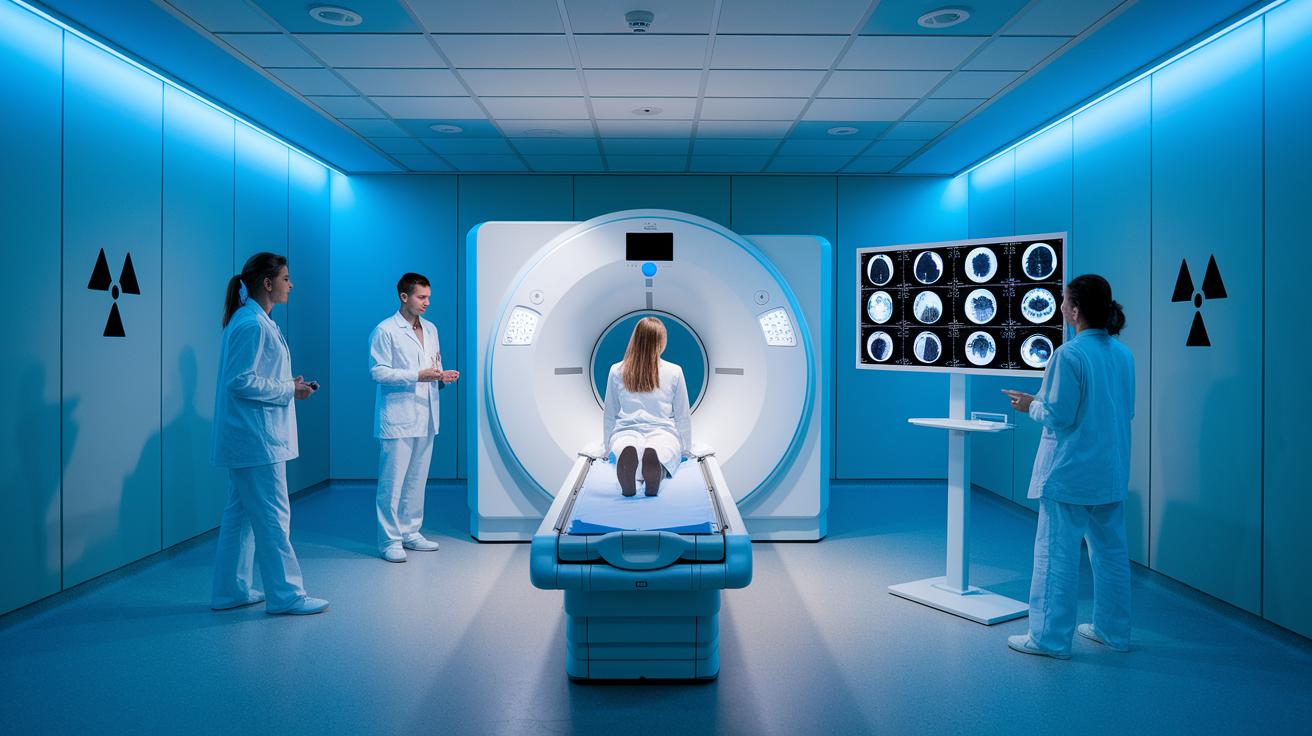
CT scans use radiation to create detailed images that help doctors diagnose and treat conditions. While these scans provide crucial information, studies show they carry a very small risk, about 1 in 2,000 chance of a fatal cancer from a single scan. Multiple scans can add up this risk, so it's important to carefully consider if and when to get them.
Some patients might have a mild reaction to contrast agents used during the scan, such as itchiness or a small rash. Serious reactions are rare, but if they occur, medical staff keep a close watch on you right after the scan.
Radiology departments work hard to keep radiation doses low while still producing clear images. They use techniques like automatic exposure control, which adjusts the radiation based on the area being scanned, and iterative reconstruction, a method that enhances image quality with a lower dose. These methods help maintain effective imaging and patient safety.
It’s a good idea to talk with your doctor about the benefits and risks. By discussing your needs and concerns, you can make well-informed decisions about whether a CT scan is right for you.
Interpreting CT Scan Results and Next Steps
After a CT scan is completed, a radiologist reviews each image carefully to look for issues like small fractures, masses, or blood vessel abnormalities. They then write a detailed report that shows exactly where any problem is found, similar to a mechanic noting a tiny crack in an engine.
When the report is ready, your doctor goes over it with you. They explain what the findings mean and may suggest additional tests such as an MRI, ultrasound, or biopsy to get more information. In cases like cancer, CT findings help guide treatment plans and set up a follow-up scan schedule. Quick follow-up is important to address both unexpected findings and urgent concerns.
Steps in this process include:
- Radiologist examines the images and prepares a report.
- Doctor discusses the report with the patient.
- Additional tests or follow-up appointments are arranged if necessary.
This clear report acts as a roadmap, ensuring you understand what is happening and what your next steps should be.
Final Words
In the action, this piece broke down computed tomography into clear, manageable steps, explaining how it gathers detailed images and supports vital clinical decisions. It covered everything from patient preparation to understanding safety measures and interpreting scan outcomes. Readers learned the basics of what does CT stand for in medicine, giving them a straightforward look at its diagnostic benefits. The explanation makes it easier to grasp CT’s role in health care and encourages informed, positive next steps.
FAQ
What does CT scan stand for?
The CT scan stands for computed tomography, a diagnostic imaging technique that uses X-rays and computer processing to create cross-sectional pictures of the body.
CT scan vs MRI?
The CT scan uses X-rays for quick imaging of bones and organs, while MRI uses magnetic fields and radio waves to capture detailed pictures of soft tissues, often taking longer.
MRI scan?
The MRI scan, shorthand for magnetic resonance imaging, uses strong magnets and radio waves to produce detailed images without exposing the body to ionizing radiation.
What is the most common reason for a CT scan?
The most common reason for a CT scan is to evaluate injuries or internal abnormalities, such as detecting bleeding, fractures, or organ damage in emergency settings.
What can CT scans detect?
CT scans can detect abnormal masses, internal injuries, bleeding, infections, and vascular issues, making them useful for diagnosing conditions and guiding treatment plans.
How long does a CT scan take?
A CT scan typically takes about 10 to 30 minutes, including the setup and scanning process, though the duration can vary based on the targeted area and use of contrast material.
CT scan price?
The price of a CT scan can vary widely, generally ranging from a few hundred to over a thousand dollars depending on the specific test, healthcare facility, and insurance coverage.
CT scan side effects?
CT scans expose patients to low doses of ionizing radiation, and some may experience mild allergic reactions to contrast dye, though serious side effects are very rare.
What is a CT in layman’s terms?
In layman’s terms, a CT scan is a special X-ray that takes detailed, slice-by-slice images of your body, similar to cutting a loaf of bread to see its interior.
Do you have to drink water after a CT scan?
Typically, you do not have to drink water after a CT scan, though follow-up instructions might vary based on the scan type, particularly if a contrast dye was used.
What is CT short for?
CT is short for computed tomography, a medical imaging method that uses X-rays and computer algorithms to provide clear, cross-sectional images of your body.
What is CT in prescription?
In prescription, CT refers to computed tomography, which doctors order as an imaging test to help diagnose, monitor, or plan treatment for various medical conditions.